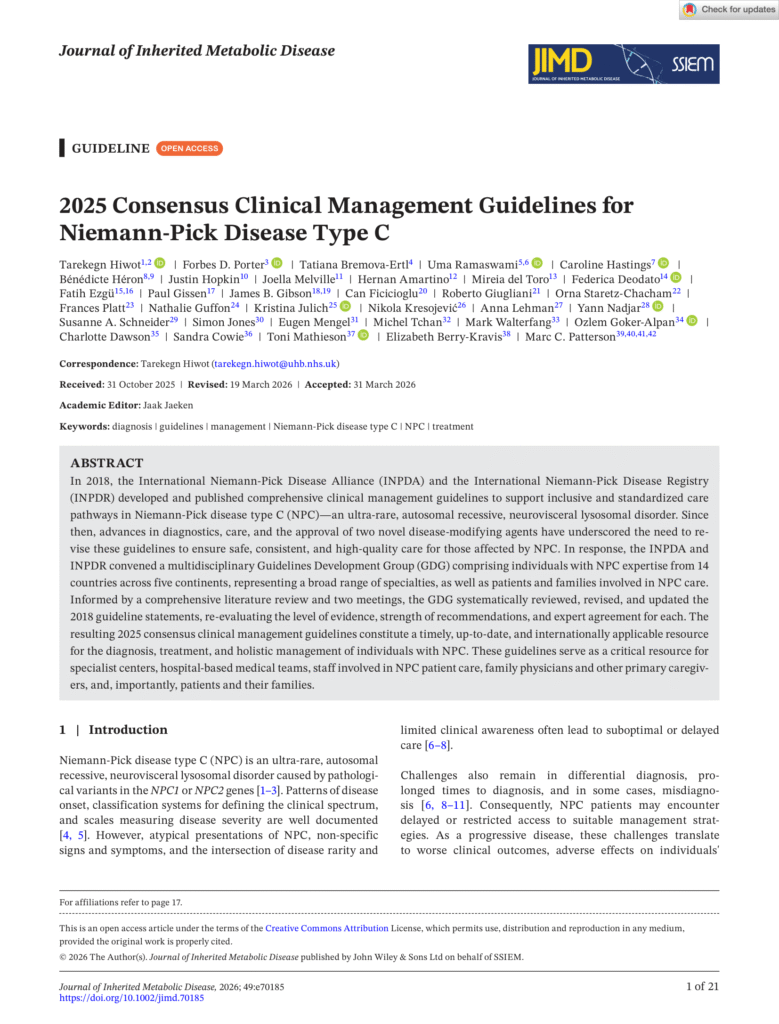


Publications serves as an essential resource hub, providing a comprehensive collection of downloadable PDFs to support individuals affected by Niemann-Pick diseases. The hub offers practical guides for parents and caregivers on Types A, B, and C, addressing diagnosis, coping strategies, and daily life management. Titles such as A Practical Guide to Acid Sphingomyelinase Deficiency and Niemann-Pick Type C: Journey to Diagnosis provide clear, actionable insights. Symptom-specific cards focus on challenges like cataplexy, dystonia, and vertical supranuclear gaze palsy, delivering targeted information. Personal narratives, including David’s Story and Sue and Geoff’s Story, inspire and connect the community, while the NPUK Fundraising Guide encourages active involvement. For healthcare professionals, expertly developed resources, such as the Consensus Clinical Management Guidelines for Niemann-Pick Disease Type C and detailed booklets created in collaboration with the International Niemann-Pick Disease Registry (INPDR), offer evidence-based knowledge to enhance patient care and deepen understanding of these rare conditions.


This brochure gives an overview of the care and support services NPUK offers.

The NPUK Fundraising Guide tells you everything you need to know about raising donations for Niemann-Pick UK!


The work of Dr Tarekegn Geberhiwot, and the many expert professionals involved in creating the INPDR has resulted in ‘The Consensus Clinical Management Guidelines for NP-C’, which provides an excellent resource for the wider NPD community.

The booklet brings together a wide range of information which should be useful to everyone involved in the treatment of patients with ASMD Niemann-Pick disease types A and B.

The booklet brings together a wide range of information which should be useful to everyone involved in the treatment of patients with Niemann-Pick disease type C (NPC).

There are no published national or international consensus guidelines for the diagnosis and management of patients with Acid Sphingomyelinase Deficiency (ASMD). For these reasons, we have developed the following clinical guidelines.